

Zambezi Meetup
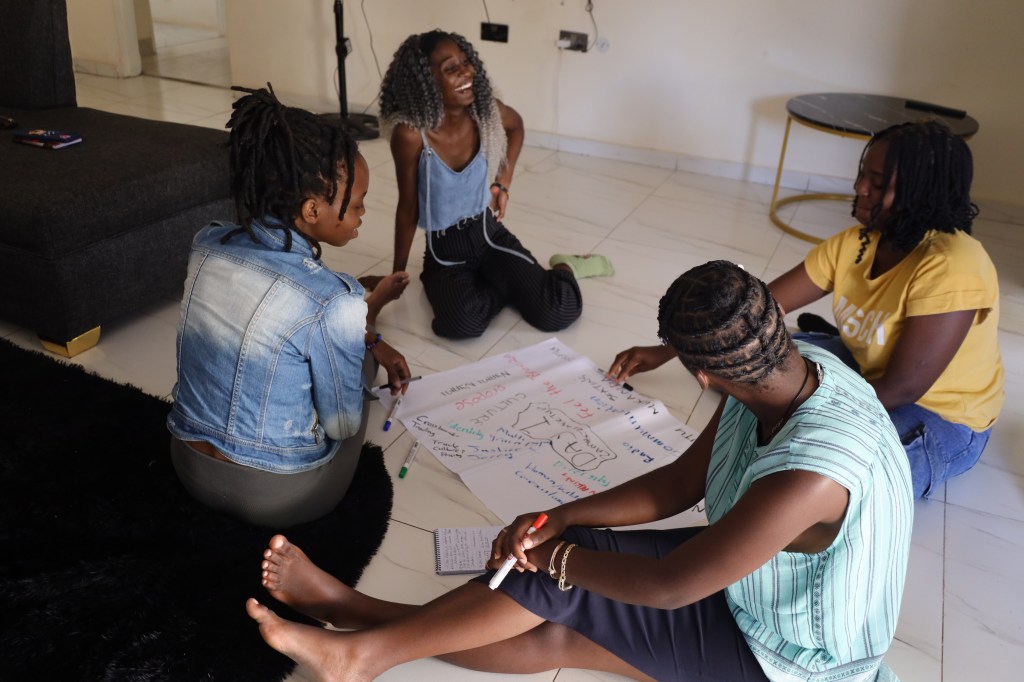
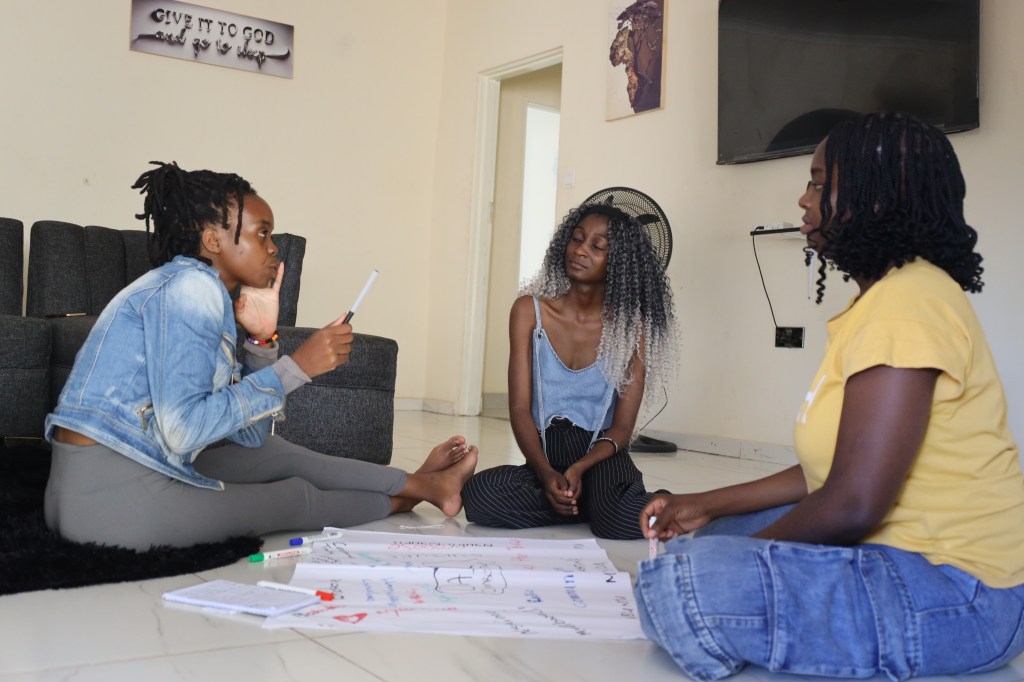
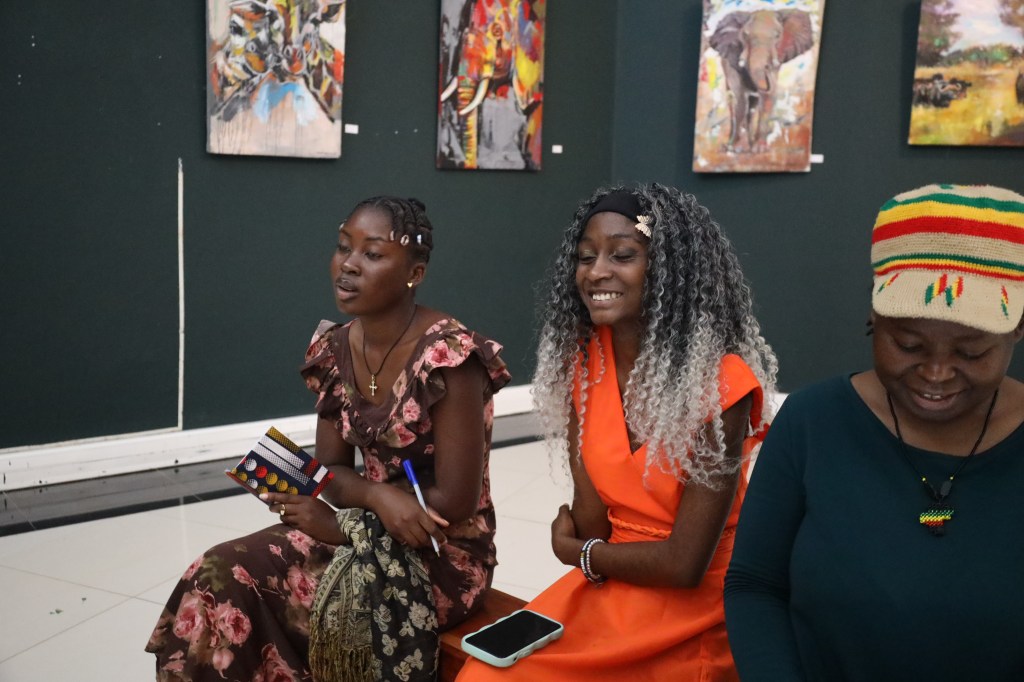
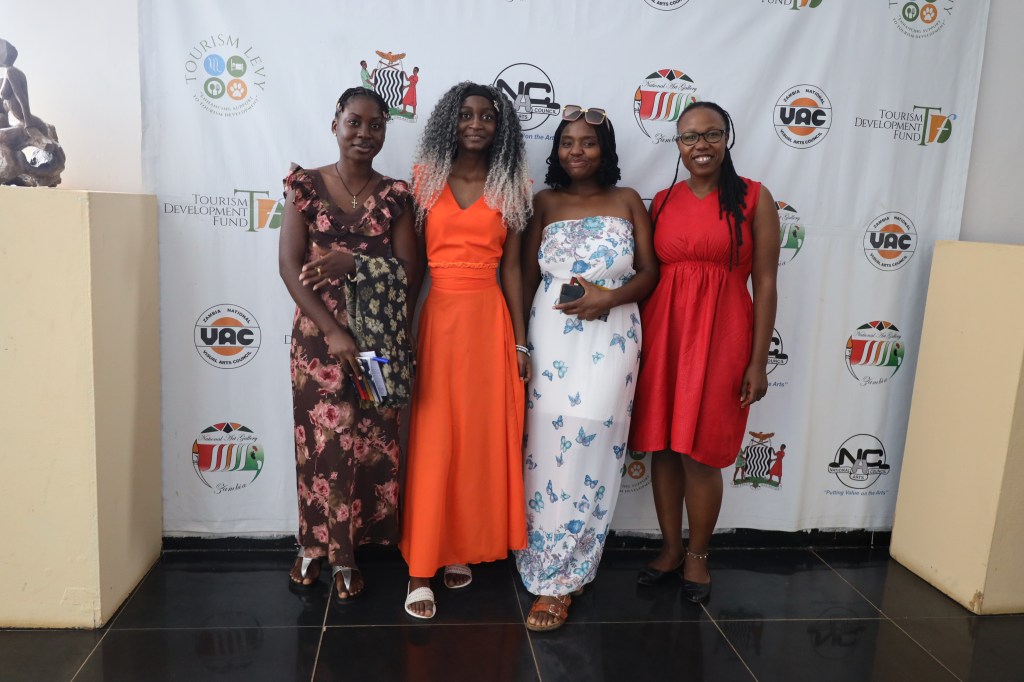
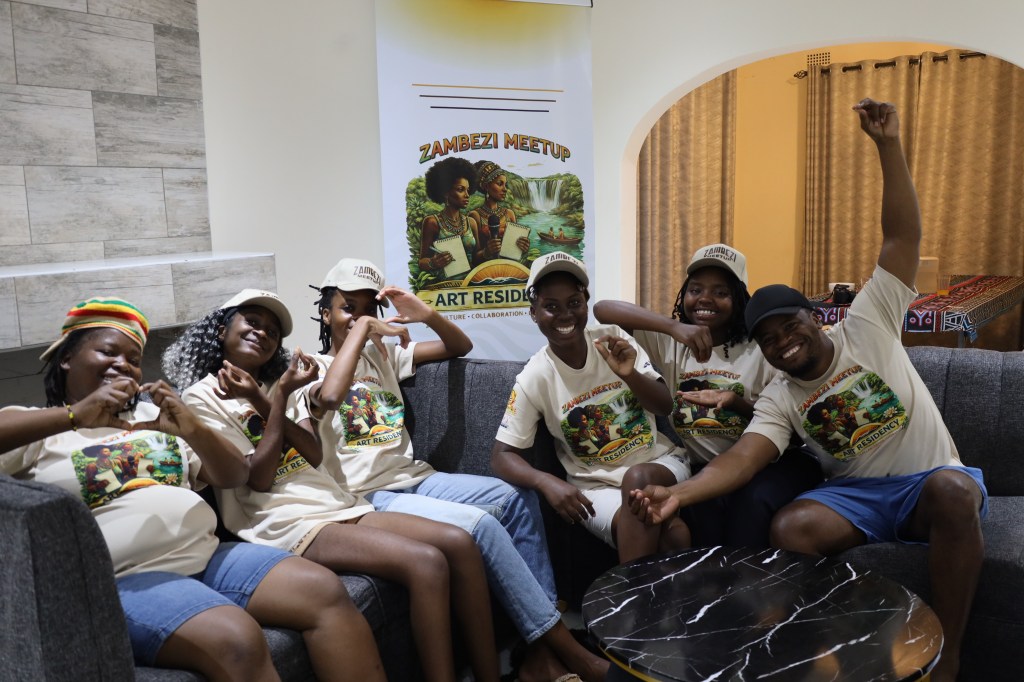
The Zambezi Meetup is an arts residency designed as a cross-border creative residency bringing together young women poets from Zimbabwe and Zambia to explore culture, storytelling, and collaboration through spoken word, experiential learning, and cultural immersion. The residency combined lectures, cultural visits, reflective writing, and creative production to enable participants to learn from their environments and translate those experiences into poetry and audio-visual storytelling. The first cohort of the Zambezi Meetup Residency in February 2026 brought together four women artists from Bulawayo and Lusaka to foster bold artistic expression, collaboration, and cultural exchange. The residency created a supportive space where women could create freely, share their stories, and explore cultural identity without limitations. The objectives of the residency were to encourage collaborative creativity among young women artists, strengthen cultural storytelling through indigenous languages, and promote regional artistic exchange between Zimbabwe and Zambia. The outputs of the residency included; Spoken-word content reflecting cultural appreciation and cross-generational learning and the development of an anthology capturing the artists’ creative works and reflections.
Digital and Green Bulawayo
This project was implemented under the Bulawayo City Council’s Youth Climate Action Fund in collaboration in partnership with Bloomberg Philanthropies. The Digital and Green project identified that there is a gap in the use of the digital space by Bulawayo businesses, they still use paper based communication, transactions, and marketing strategies among other activities. As an example, restaurant businesses still print paper for menus and receipts while the rest of the world is now using QR codes. Digital & Green Bulawayo encourages a paperless business which is an innovative approach to addressing climate change by significantly reducing carbon emissions associated with paper production, transportation, and disposal. Embracing digital documentation, communication, and processes not only minimizes reliance on paper but also streamlines operations, reducing energy consumption and waste generation. Green software gives alternative ways of operating to businesses and as a result innovatively tackles climate change by optimizing energy efficiency, reducing carbon footprints, and promoting sustainable practices. Therefore, the project changed the business culture and behavior so that it prioritizes climate issues in their day-to-day work. It escalated awareness around the use of the digital space as a solution to the climate crises and pioneered localized green software.
Championing Youth Inclusion
This project was an extension of the Action Aid Global Platform Zimbabwe with Youth for Innovation Trust acting as the localized Youth Hub in Bulawayo. In line with the Global Platform Zimbabwe Strategic Objective 1 (Young people, especially women and marginalized people enjoy fundamental rights through improved access to well-resourced programs and public services), this project’s main purpose was ensuring that youth champion inclusion through systematically contributing to the development of the Bulawayo Youth Policy that was non-existent but is key to improved public services for youth. Youth for Innovation Trust therefore set up a working group whose purpose was to conceptualize the youth policy, thoroughly consult marginalized groups of youth and submit it to the city council for adoption. The working group was made up of youth leaders from different youth groups, champion councillors and youth who are city council employees working in youth centres. Through interface meetings, the project managed to start conversations on service delivery in Bulawayo and how it affects youths’ enjoyment of basic human rights such as access to clean and safe water, health services, housing and education. It went further to explore the inclusion of PWDs, youth from low income households and LGBT youth and other marginalized youth in council decisions. The project also explored investment towards ICTs and innovation, arts and sports, as well as climate and disaster management. The policy is being carried on to the 2025 council proceedings for it to be law. After being drafted to law there still is need for advocating for the implementation of the policy, hence this project is still relevant.
Digital Skills for Rural Girls
Our main vision behind the drive of Digital Skills for Rural girls is to enhance the online presence of rural girls and the development of their communities and their lives as individuals. We noticed that rural girls are usually not included in some life changing initiatives such as these due to issues such as proximity. They tend to be marginalized and some are not given the opportunity to be part of developmental issues hence we went to Mat South and Mat North because we acknowledge that young women are at the center of development and it is of great importance that they are equipped with digital skills knowledge in this era as it will make their lives simpler in tackling their day-to-day activities through coming up with smart ideas. Through this initiative, we engaged with young girls from Insiza, Beitbridge, Mangwe, Gwanda, Matopo, Umzingwane, Bulilima from Mat South and Binga, Umguza, Lupane, Nkayi, Tsholotsho, Hwange from Mat North. They were taught on Ideation and Coding and they got to develop four applications which after they had group discussions, they identified problems which they faced in their districts and through these applications, they would get to assist their communities. The applications they developed are Crino-Preg which addresses the issue of teenage pregnancy, Lusumpuko which focuses on women empowerment and leadership, Kwenzakalani which focuses on information dissemination and Izenzo which focuses on justice for children. This is a win for YIT as through this project, we have developed innovative young thinkers who seek to bring about social change through technological ways.



Loziba Movement
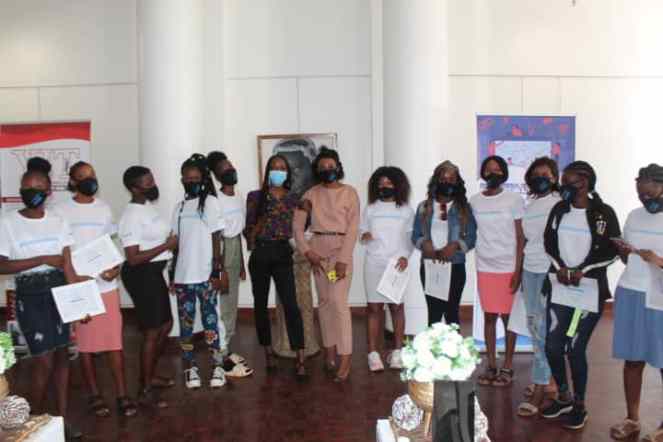
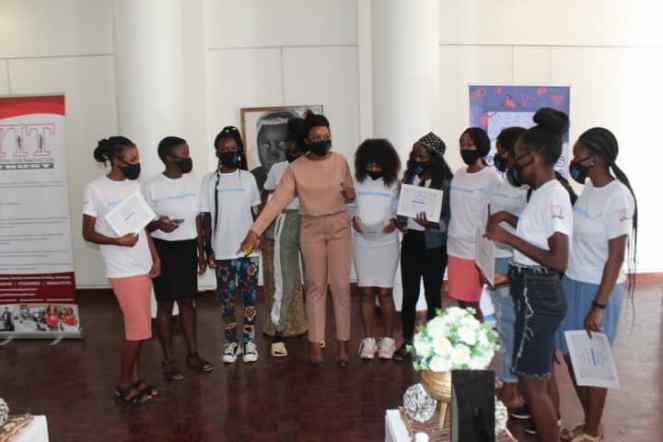
The Loziba Movement is a flagship of Youth for Innovation Trust (YIT) and a collective of young women in art who are pushing for gender equality and social inclusion. Named after the historic Queen of the Ndebele State Queen Loziba Thebe, the movement was founded in the year 2020 with the purpose of elevating young women in art to improve their livelihoods as well as have a meaningful impact in their communities. They have curated music that addresses social issues this included their debut song Phakama, https://www.youtube.com/watch?app=desktop&v=_-CCUvgbMNY and the Loziba21 Productions that addressed issues from GBV to economic disparities that can be found on the following link: https://www.youtube.com/playlist?list=PLWfbULz99MqhyG4AnMazm2dK6TLUirUDK . Through YIT, they have curated projects such as the Lozibas in Local Governance that addressed gender responsive public services through a comedy show, an awards ceremony, poetry slam and musical concert. They have also led the Debt is slavery of the Free campaign under YIT where they utilized provocative make up, paintings and music to talk about debt. They have annually presented their talent during the 16 Days of Activism against Gender Based violence and celebrations of the International Women’s Day through the Loziba Festival. In a space that is hostile for young women to thrive they have created their own platforms to perform for economic enhancement through the online Her Wednesdays and the offline Up & Close with Lozibas. They have also created business showers for each other and are building their entrepreneurship base.
 Youth For Innovation Trust